understanding electric pinch valve: a reliable solution for flow control
Release time:2025-12-06 09:49:53
An Electric Pinch Valve is a versatile and efficient flow control device commonly used in industries where precise regulation of fluid flow is critical. Unlike conventional valves, which use mechanical components to open and close, the electric pinch valve operates by pinching or compressing a flexible tube to control the flow of fluid. This article explores the working principle, advantages, applications, and key features of the electric pinch valve, highlighting why it is gaining popularity in various industries.
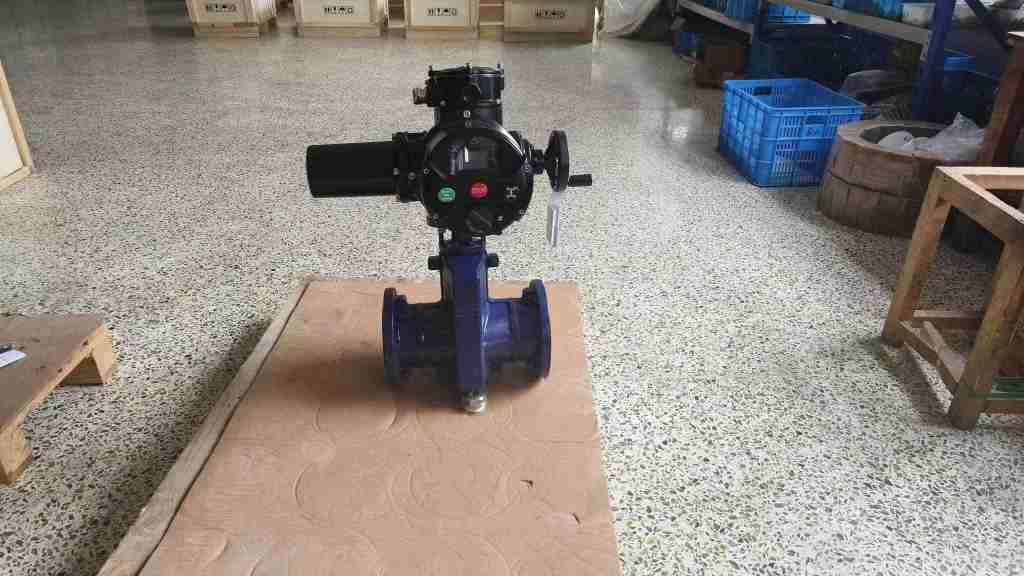
Working Principle of Electric Pinch Valve
The fundamental principle behind the electric pinch valve is its ability to control fluid flow by pinching a flexible tube or sleeve, typically made of rubber or elastomeric materials. The valve consists of two main components: the electric actuator and the flexible tube. The electric actuator receives a control signal, typically from a control system, and actuates a mechanical mechanism to compress or release the flexible tube.
As the actuator tightens, it squeezes the tube, thereby restricting or completely stopping the fluid flow. The degree to which the tube is pinched determines the flow rate, offering a high level of precision in flow control. When the actuator releases pressure, the tube returns to its original state, allowing fluid to flow freely again. This mechanism provides an effective and reliable means of regulating the flow of a variety of media, including slurries, liquids, gases, and granular substances.


 Chat Oline