

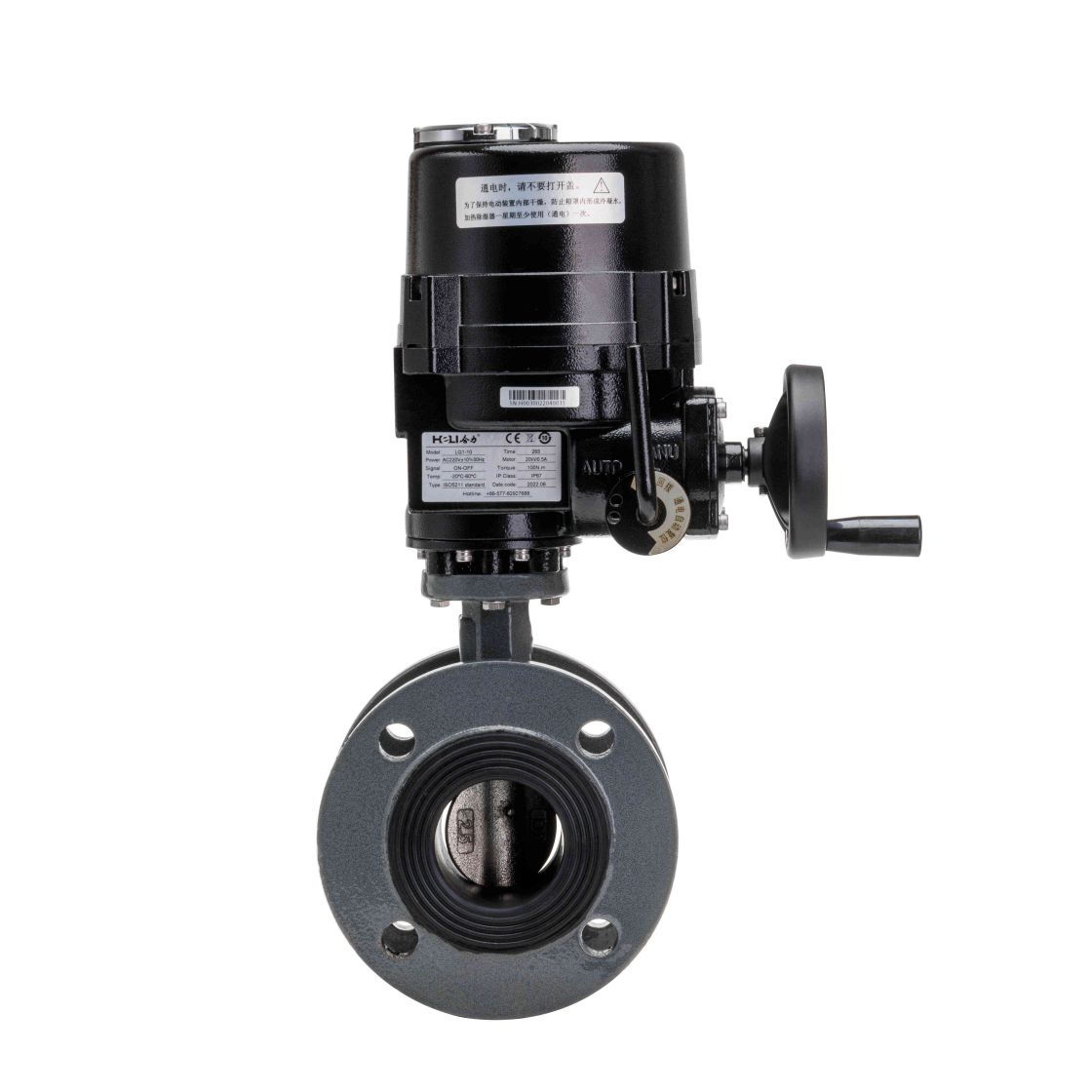
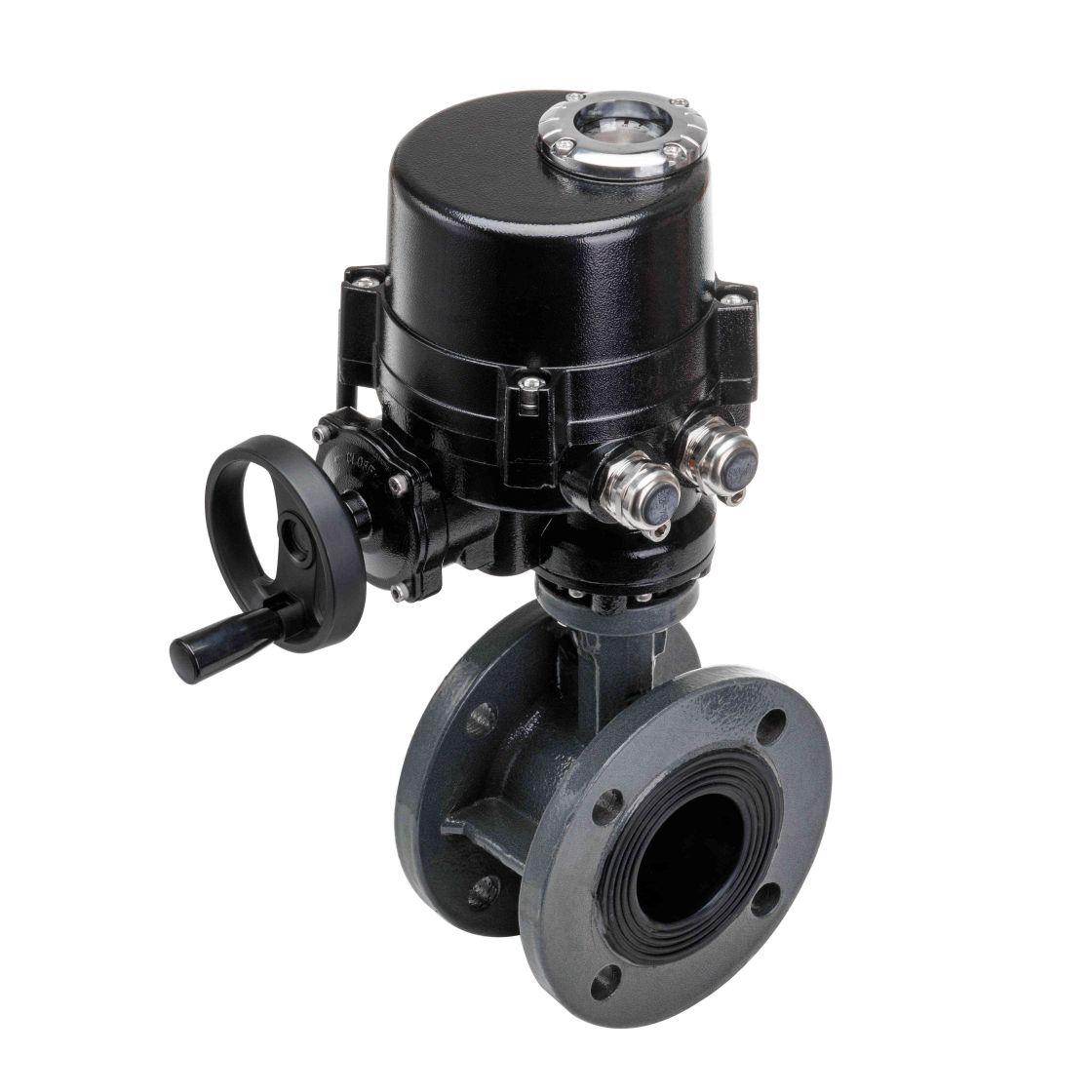
The WCB Electric Flange Ball Valve is a vital component in modern industrial fluid control systems, offering precise and reliable operation for a wide range of applications. This type of valve combines the robust features of the WCB material with the flexibility of electric actuation, providing an ideal solution for automated and remote-controlled systems. In this article, we will explore the key features, working principles, and common applications of the WCB Electric Flange Ball Valve.

Key Features
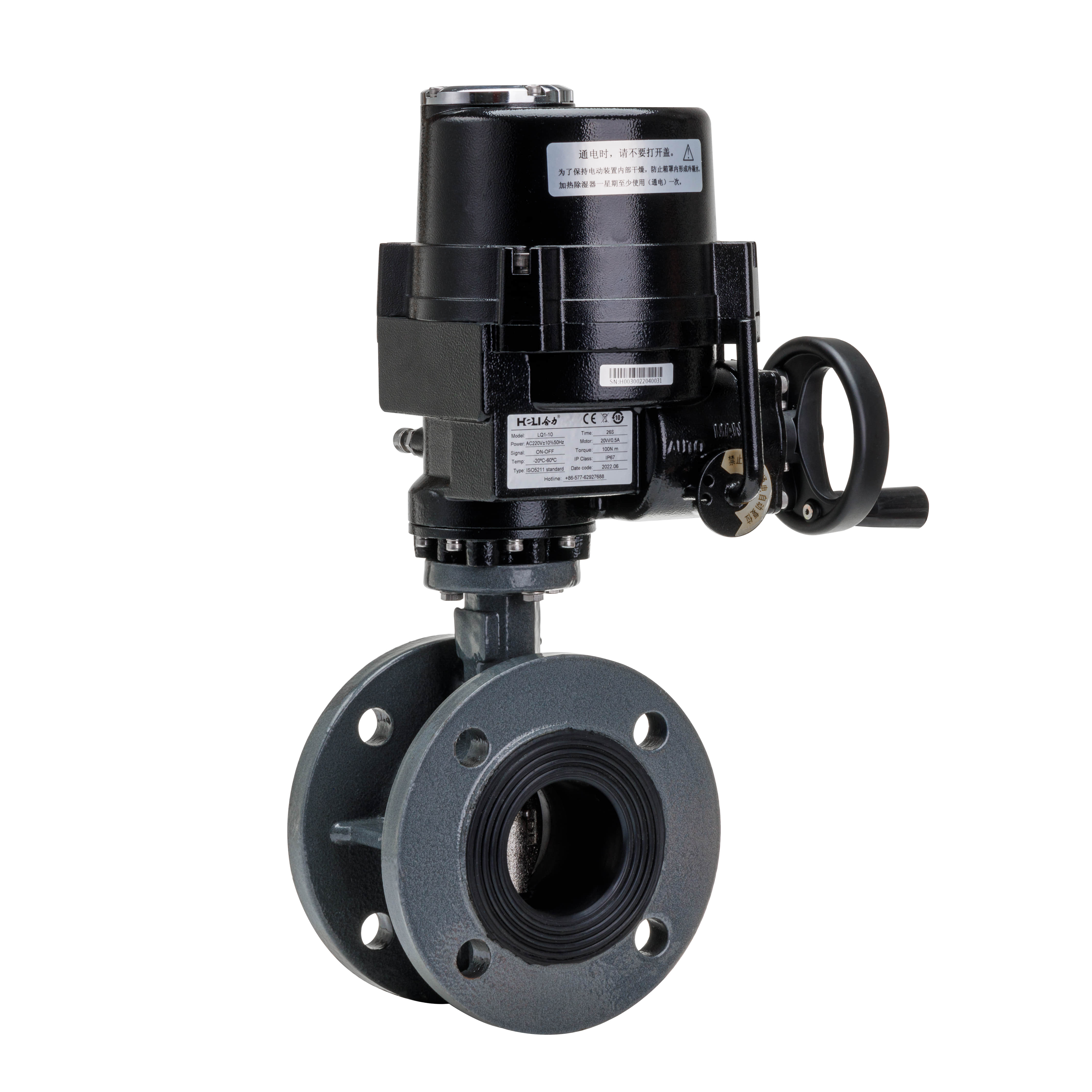
WCB Material: The term "WCB" stands for ASTM A216 WCB carbon steel, a high-quality material known for its excellent mechanical properties, corrosion resistance, and cost-effectiveness. WCB steel is widely used in industrial applications where durability and reliability are crucial. The WCB Electric Flange Ball Valve made from this material can withstand moderate to high temperatures and pressures, making it ideal for various fluid control applications.
 Chat Oline